How to Design a First Launch That Builds Trust Fast
In the competitive world of mobile applications, the first moments after a user installs and opens your app can make or break their trust—and ultimately, their loyalty. When your app appears on Android devices worldwide, often connecting through variable Wi-Fi networks and running on a range of hardware, designing a first launch experience that communicates reliability and transparency is crucial.
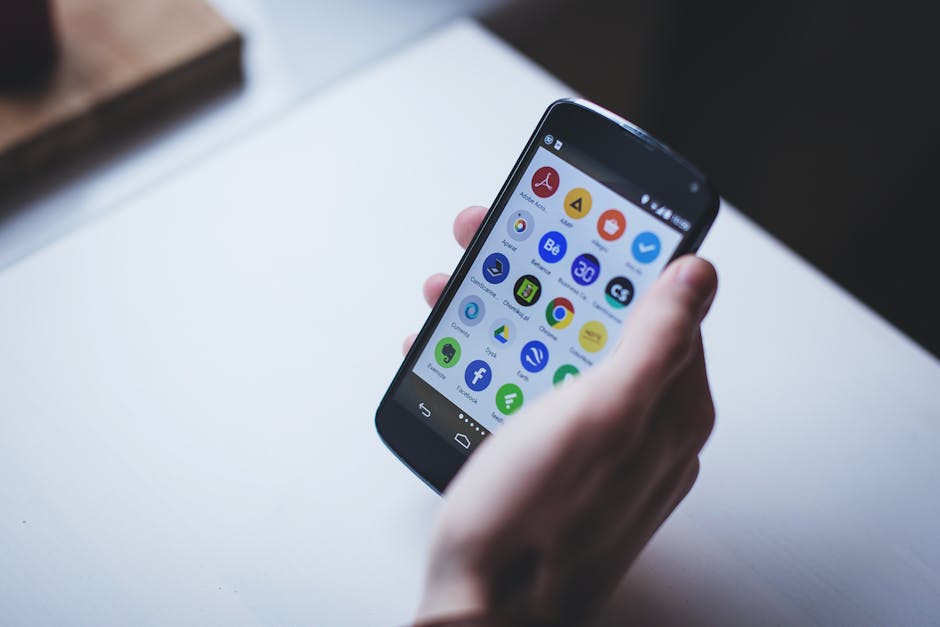
Companies like BingoPlus App, GamingPlus App, and Boring Magazine have mastered key strategies that prioritize user trust right from the start. This post walks through the essential steps to create a first-launch experience that confirms your app’s identity, clarifies permission requests strategically, and navigates device diversity—all while avoiding common pitfalls such as hidden pricing or ambiguous messaging.
Why Trust at First Launch Matters
Before users commit their time or data, they want to answer a few questions:
- Is this the legitimate app I intended to download?
- Can I navigate easily without getting lost or overwhelmed?
- Will the app respect my privacy and permissions?
- Is this app reliable on my device and network?
If these aren’t answered clearly and quickly, users feel uneasy and may churn fast, uninstalling before you’ve had a chance to delight them with your features.
Common Mistake: Skipping Pricing and Currency Transparency
A surprising and frustrating issue observed in some app launches, especially among scraped content or re-packaged apps, is the absence of clear pricing, fees, or currency amounts within the app or launch notes. Not including these essential details creates suspicion and may cause users to abandon interactions if they feel baited or uncertain. Always confirm that any financial information is upfront and transparent, complementing your trust-building efforts.
Core Principles to Build Trust Fast on First Launch
1. Confirm App Identity Clearly
When users open your app, it's vital to remove any ambiguity about who you are.
- Branded Splash Screens: Use your official logo and brand colors prominently to reassure that this is the true BingoPlus App, GamingPlus App, or Boring Magazine experience.
- Welcome Messages: A brief, friendly welcome that references your brand’s mission or USP helps align expectations early.
- Version and Developer Info: Include an About or Info page accessible from the primary navigation so the user can always verify app details and developer authenticity.
For example, GamingPlus App uses a minimal, sleek splash screen with the app icon and “Powered by GamingPlus Technologies” tagline. This sets the stage before users proceed.
2. Show Primary Navigation From the Start
Think about it: nothing builds trust faster than orienting users immediately. When they can see their path forward clearly, they feel in control.
- Visible Menus or Tabs: Ideally, present the main navigation elements on the home screen rather than hiding them behind multiple taps or gestures.
- Guide or Onboarding Flow: Consider a quick, skippable onboarding overlay or carousel that introduces key features without overwhelming.
- Consistent UI Elements: Buttons, labels, and icons should follow platform conventions. Android users expect familiar placement and behavior.
Boring Magazine’s app nails this principle by rollback plan for releases showing top-level categories like News, Opinion, and Podcasts immediately after launch, enabling quick access and preventing confusion.
3. Link to Official Help Channels
Sometimes users hit snags or have questions. Providing easy access to official, trustworthy help builds confidence that support is ready when needed.
- Help or FAQ Sections: Prominently link to comprehensive help content, ideally updated dynamically and tailored for your audience.
- In-App Contact Options: Chat, email, or direct phone support as appropriate reassures users they aren’t alone.
- Transparent Issue Reporting: Let users know their feedback or issues get taken seriously.
The BingoPlus App includes a dedicated “Help & Support” menu item available on every screen, linking to both FAQs and a secure chat with their customer service team.
Beyond Uptime: Designing Reliability
Reliability for users is about more than just the app not crashing or servers staying online. It’s about a seamless, predictable experience every time they open the app.
- Loading Feedback: Avoid blank loading screens. Instead, show progress indicators or content placeholders so users know work is happening.
- Network Awareness: Many users, especially across Southeast Asia, rely on Wi-Fi or variable cellular connections. Detect connectivity and adjust behavior gracefully by displaying cached content or offline messages.
- Error Messaging: Use user-friendly language that guides recovery, not cryptic developer logs.
GamingPlus App, for instance, checks the user’s Wi-Fi status on launch and displays a gentle notification if the network is slow or disconnected, suggesting offline gameplay modes.
Lightweight Architecture and Resource Discipline
Heavy apps that consume excessive bandwidth or drain battery cause frustration and erode trust, especially on lower-end devices prevalent in many markets.
- Optimize App Size: Reduce unnecessary assets and dependencies to keep the app lightweight and fast to install.
- Smart Data Management: Cache data intelligently, minimize background data usage, and avoid large preloads on first launch.
- Energy Efficient Coding: Follow best practices for resource usage to preserve battery life.
Boring Magazine’s Android app is a prime example of efficiency, with a download size under 15MB and fast loading times even on budget devices.

Device Diversity and Real-Device Testing
Trust breaks quickly when users encounter crashes, layout problems, or unresponsive features that only happen on their particular phone model or Android OS version.
Given the diversity of devices—from flagship phones to entry-level models—extensive real-device testing on multiple screen sizes, processors, memory configurations, and OS variants is non-negotiable.
- Use device farms or in-house testing rigs to capture subtle bugs and performance issues.
- Test with various Wi-Fi environments to simulate real-world connectivity.
- Continuously collect crash and user feedback data post-launch to iterate rapidly.
BingoPlus App’s QA team runs daily automated tests across dozens of popular and low-end Android devices found in their target market, ensuring smooth operation across the board.
Permission Timing: Ask Only When Needed
One of the quirks I keep close tabs on during first launch is timing of permission requests. Users distrust apps that bombard them with permission pop-ups immediately on launch without clear context.
- Request Permissions In-Context: For example, if your app needs location to personalize content, ask for location permission when the user tries to access that feature, not before.
- Explain Why: Provide simple reasons for the permission request to reassure privacy-conscious users.
- Sequenced Requests: Avoid asking for all permissions at once. Stagger to build trust progressively.
GamingPlus App waits to request microphone or camera access until the user initiates a gameplay feature requiring them, accompanied by a clear explanation dialog.
Summary Table: Trust-Building First Launch Checklist
Focus Area Best Practices Example from Industry Confirm App Identity Branded splash, welcome message, About info BingoPlus App displays company logo & developer info prominently Show Primary Navigation Visible menus & onboarding that map user journey Boring Magazine presents top-level categories on launch Link to Official Help Prominent Help & Support links, contact options BingoPlus App’s in-app chat & FAQs Reliability Beyond Uptime Loading indicators, error transparency, offline modes GamingPlus App network status checks & offline suggestions Lightweight Design Optimize app size & data usage, energy-efficient code Boring Magazine’s small app size & fast loads Device Diversity Testing Real-device testing on varied Android models and networks BingoPlus App’s extensive device farm tests Permission Timing Request in context with clear why, staggered approach GamingPlus App requests feature-triggered permissionsConclusion
Designing a first launch that builds trust fast is https://highstylife.com/how-do-apps-support-limited-storage-phones-without-breaking/ a sophisticated balance of clarity, honesty, performance, and respect. By confirming your app’s identity clearly, showing users how to navigate right away, linking help resources, respecting device capabilities and network realities, and managing permission requests thoughtfully, you create a foundation of trust from the very first tap.
Whether you are building the next great experience like BingoPlus App, GamingPlus App, or Boring Magazine, these principles hold true. Avoid the trap of vagueness, hidden pricing, or vague error messages, and remember: what the user sees on screen right now is your first and best chance to build that invaluable trust.
Remember: A trustworthy first launch isn’t just about avoiding failures. It’s about showing your users you care—care about their time, their context, and their experience. Start there and your app’s success will follow.