Do People Still Buy Standalone GPS Devices Anymore?
In the age of smartphones, where every device seems to multitask flawlessly, the question naturally arises: do people still buy standalone GPS devices? Once a must-have gadget for drivers, hikers, and travelers alike, standalone GPS devices now compete with the multifunctionality of our phones. To understand this shift, we must explore the evolution of device convergence, user behavior, and navigation technology.
From Dedicated Gadgets to Smartphone Powerhouses
Standalone GPS devices, much like early digital cameras and MP3 players, were revolutionary for their time. Each served a singular purpose and did it well. But history shows a pattern: devices converge. The standalone camera gave way to the smartphone camera, the dedicated MP3 player faded as phones incorporated music playback seamlessly, and now GPS navigation tools are undergoing the same transformation.
This convergence has significant implications for how and why we use navigation tools today.
The GPS Device Replacement Trend
Users no longer need to carry a separate GPS device because their smartphones come equipped with built-in GPS hardware, paired with powerful navigation apps. These apps not only display maps but also provide real-time traffic updates, route optimization, and voice-guided turn-by-turn directions.
While standalone GPS devices historically offered high accuracy and long battery life, modern smartphones have closed that gap considerably. Increasingly, the convenience of having a single multi-functional device outweighs the specialized features of standalone units.

Phone Maps vs GPS: What’s the Difference Today?
Feature Standalone GPS Device Smartphone Navigation Apps Portability Single-purpose device, adds to carry load Integrated in a device users already have Map Updates Requires manual updates or subscription Automatic and frequent updates via internet Connectivity Mostly offline, limited real-time data Real-time traffic, rerouting, and notifications User Interface Simpler UI, tailored for navigation Richer UI, integrated with other apps Battery Life Often longer due to limited functions Shorter due to multifunction and screen useThis breakdown highlights where standalone GPS devices still excel and where phones hold the advantage.
Short-Session Entertainment and Navigation Behavior
Another key theme shaping navigation habits is the rise of short-session interaction behavior. People typically consult maps or navigation apps briefly and intermittently while on the move, rather than expecting prolonged engagement on a standalone device.
Phones excel at this through fast-loading apps and seamless background operation, enabling quick check-ins, on-the-fly rerouting, and easy multitasking between calls, music, and navigation. Conversely, standalone GPS devices sometimes feel slow to boot or clunky when shifting between modes, which can be frustrating when users want swift access.
Progress Syncing and Friction Reduction
One major strength of smartphone navigation is its ability to sync progress and reduce friction. For https://animalsfactszone.com/the-smartphone-has-become-the-ultimate-all-in-one-entertainment-device/ example:
- Cross-device syncing: Start a route on your phone, then continue it from your smartwatch or car infotainment system.
- Cloud backup: Saved places, routes, and preferences are available wherever you log in, without manual syncing.
- Frictionless updates: Maps and app features update automatically, sparing users from tedious downloads.
Standalone GPS devices generally lag here because their update process can be cumbersome and they lack ecosystem integration, creating small but impactful friction in the user experience.
Browser Experiences Catching Up to Native Apps
One might argue that native navigation apps give smartphones an edge, but it’s interesting to observe how browser-based experiences are catching up. Mobile browsers like Chrome and Safari now support Progressive Web Apps (PWAs), allowing users to load navigation tools without downloading heavy native apps.
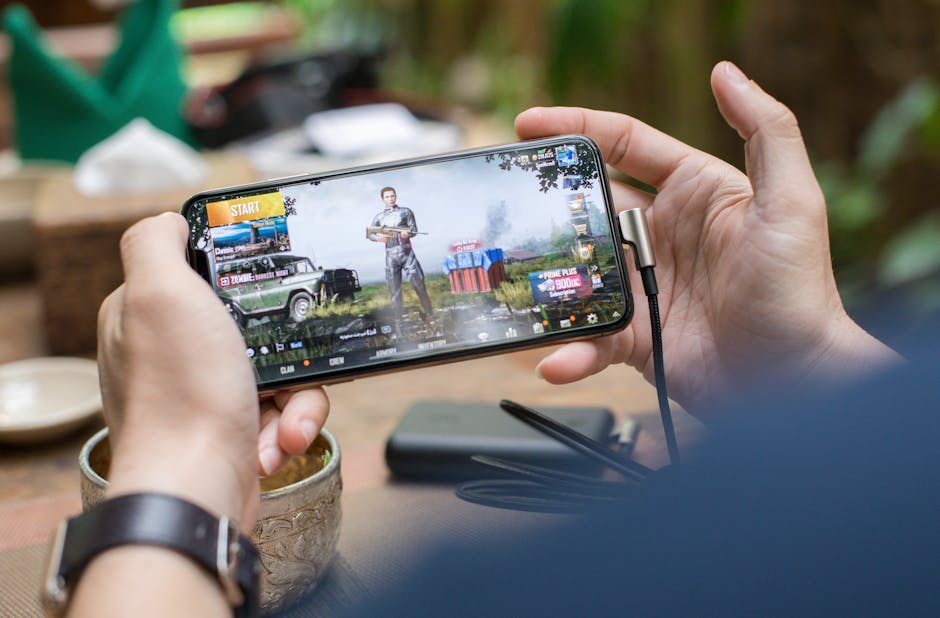
This trend means users can:
- Access maps directly from search results or links
- Keep storage free by avoiding app downloads
- Use features offline or with intermittent connectivity
Thus, even if a user hesitates to install a dedicated navigation app, they can still rely on their phone for directions, further undermining the need for a standalone GPS device.
Common Mistake: Overlooking Prices When Comparing Devices
When discussing whether people still buy standalone GPS devices, price is a critical but often omitted factor. Consumers making purchase decisions ask questions like:
- How much does a standalone GPS device cost upfront?
- Are there ongoing subscription fees for map updates or traffic services?
- How does this compare to the cost of using phone maps requiring data plans?
For reference:
- Standalone GPS devices range anywhere from $100 to $300+ depending on brand and features.
- Some devices require annual map update subscriptions, costing roughly $30-$50 per year.
- Smartphone navigation apps are typically free, but rely on cellular data, which may factor into a user’s data plan costs.
Ignoring these price points can skew the perception of value and practicality, leading to conclusions that might not apply universally.
Conclusion: Are Standalone GPS Devices Still Relevant?
In summary, standalone GPS devices have largely been replaced by the smartphone’s integrated capabilities. Advances in navigation apps, better syncing, reduced friction, and improved browser experiences mean most users prefer the convenience of keeping all their tools in one sleek device.
However, certain niche users — such as long-distance hikers, professional drivers, or those needing ultra-reliable offline navigation — might still find value in dedicated GPS hardware, particularly in scenarios where battery life or signal reliability is crucial.
Ultimately, understanding the trends of device convergence, user behavior, and cost considerations helps clarify why the market for standalone GPS devices has shrunk but not disappeared entirely.